Phenolphthalein is a well-known chemical compound widely used as an acid-base indicator in laboratories and analytical chemistry. Its distinctive color change under different pH conditions makes it a useful reagent for titration, chemical analysis, and educational experiments.
For chemical distributors, laboratory suppliers, and industrial buyers, understanding the properties, applications, and purchasing considerations of phenolphthalein is important when selecting a suitable supplier.
In this article, we will explore what phenolphthalein is, how it works, its main applications, and what buyers should consider when sourcing this chemical.
1. What Is Phenolphthalein?
Phenolphthalein is an organic compound commonly used as a pH indicator in acid-base titration.
Basic product information:
- Product Name: Phenolphthalein
- CAS Number: 77-09-8
- Molecular Formula: C₂₀H₁₄O₄
- Molecular Weight: 318.32 g/mol
- Main Application: Acid-base indicator and laboratory reagent
Phenolphthalein is generally supplied as a white to pale yellow crystalline powder. It is practically insoluble in water but can dissolve in certain organic solvents and alkaline solutions under appropriate conditions.
Its performance and suitability depend on the required grade, purity, formulation, and intended application.
2. How Does Phenolphthalein Work as a pH Indicator?
One of the most important characteristics of phenolphthalein is its color response to changes in pH.
In acidic and near-neutral solutions, phenolphthalein is generally colorless. When the pH increases into its transition range, the solution changes to pink or magenta.
Its commonly cited pH transition range is approximately 8.2–10.0.
This property makes phenolphthalein useful in acid-base titration, particularly when the endpoint falls within a suitable pH range.
For example, during the titration of hydrochloric acid (HCl) with sodium hydroxide (NaOH), phenolphthalein can help indicate the endpoint through a visible color change, provided the titration conditions are appropriate.
The exact endpoint suitability depends on the acid, base, concentration, and analytical method being used.
3. Main Applications of Phenolphthalein
3.1 Acid-Base Titration
One of the most common applications of phenolphthalein is acid-base titration.
Laboratories use it to help identify the endpoint of certain neutralization reactions. Its visible color change makes it convenient for routine analytical procedures and chemistry experiments.
3.2 Analytical Chemistry
Phenolphthalein is used as an indicator in selected analytical methods where a clear visual transition is helpful.
Laboratory technicians and analytical chemists should select the appropriate indicator according to the target reaction and validated testing procedure.
3.3 Educational Laboratories
Schools, universities, and training laboratories use phenolphthalein in chemistry demonstrations and experiments involving acids, bases, and pH changes.
Its color transition provides a straightforward way to demonstrate acid-base behavior.
3.4 Chemical Reagent Supply
Phenolphthalein is also traded through chemical reagent distributors and laboratory supply companies.
Buyers may require different packaging sizes and specifications depending on whether the product is intended for routine laboratory use, distribution, or a particular analytical application.
The appropriate grade should always be confirmed before purchase.
4. Phenolphthalein Powder vs. Indicator Solution
Phenolphthalein is available in different forms, depending on the supplier and intended use.
Phenolphthalein powder
- Suitable for preparing indicator solutions when permitted by the relevant method.
- Requires appropriate handling, weighing, and formulation.
- Allows laboratories or reagent manufacturers to prepare solutions according to their specifications.
Phenolphthalein indicator solution
- Ready for use in applications covered by its product specifications.
- May contain alcohol or other solvents, depending on the formulation.
- Requires attention to solvent compatibility, concentration, shelf life, and storage requirements.
When purchasing, buyers should confirm whether they need the solid compound or a prepared indicator solution. These products have different specifications and may require different shipping and storage arrangements.
5. What Should Buyers Check Before Purchasing Phenolphthalein?
Selecting a suitable supplier involves more than comparing prices. Chemical buyers should evaluate several important factors.
Product Purity and Specifications
Confirm the required purity, applicable testing standards, and intended grade. Request a Certificate of Analysis (COA) for the relevant batch when available.
Technical Documentation
Review the product specification, Safety Data Sheet (SDS), and other documentation required for your application and local regulations.
Packaging Requirements
Check the available packaging sizes, container compatibility, labeling, and protection against moisture or contamination during storage and transportation.
Supply Capacity and Lead Time
For distributors and repeat buyers, consistent availability and realistic delivery schedules are important factors in maintaining inventory.
Export and Shipping Support
International buyers should confirm export documentation, destination-country requirements, transport arrangements, and any applicable restrictions before placing an order.
A reliable sourcing process helps reduce purchasing risks and supports long-term cooperation between buyers and suppliers.
6. How to Store and Handle Phenolphthalein
Phenolphthalein should be handled according to the instructions in the supplier’s Safety Data Sheet.
General precautions include:
- Store the product in a tightly closed, appropriately labeled container.
- Follow the recommended temperature and environmental conditions stated in the product documentation.
- Avoid unnecessary exposure to incompatible substances.
- Use suitable personal protective equipment and follow laboratory handling procedures.
- Consult the SDS for first-aid measures, spill response, disposal, and specific hazards.
Phenolphthalein has been classified as a potential health hazard in certain regulatory frameworks. It should not be assumed to be harmless simply because it is commonly used in laboratory experiments. Always review the current safety documentation and applicable local regulations before use or purchase.
7. Frequently Asked Questions About Phenolphthalein
Q1: What is the CAS number of phenolphthalein?
The CAS number of phenolphthalein is 77-09-8.
Q2: What color is phenolphthalein in an alkaline solution?
Phenolphthalein generally turns pink to magenta in alkaline solutions within its pH transition range.
Q3: What is the pH range of phenolphthalein?
Its commonly cited transition range is approximately pH 8.2–10.0.
Q4: Is phenolphthalein soluble in water?
Phenolphthalein is practically insoluble in water. Its solubility depends on the solvent and solution conditions.
Q5: What documents should I request when purchasing phenolphthalein?
Depending on the application and destination, buyers may request a COA, SDS, product specification, and relevant shipping or regulatory documents.
Q6: How can I choose a suitable phenolphthalein supplier?
Compare product specifications, documentation, packaging options, supply reliability, export experience, and total delivered cost. Confirm that the supplier can meet your specific quality and regulatory requirements.
8. Looking for a Phenolphthalein Supplier?
Choosing the right chemical supplier can help distributors and laboratory buyers maintain consistent product quality and a reliable supply chain.
When sourcing phenolphthalein, clearly define your required grade, quantity, packaging, destination, and documentation requirements. This information helps suppliers provide a more accurate quotation and determine whether they can meet your purchasing needs.
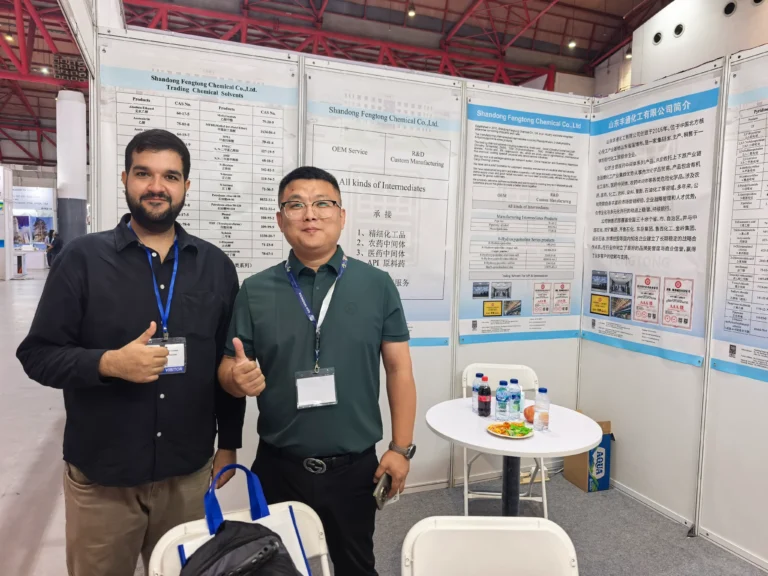
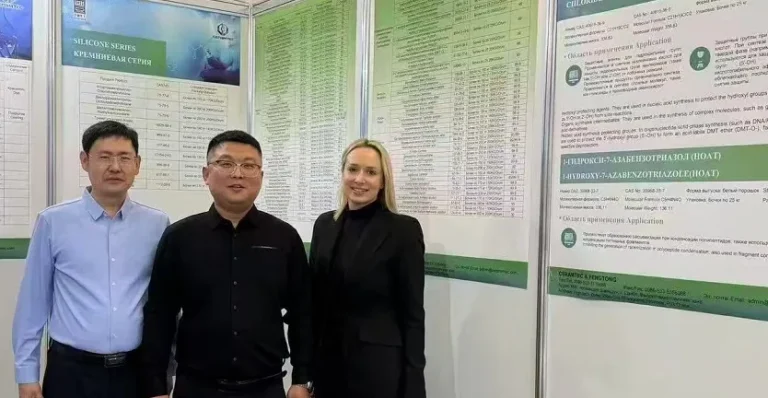
At Shandong Fengtong Chemical Co., Ltd., we focus on supplying chemical products to international markets. If you are sourcing phenolphthalein or other chemical raw materials, you can contact our team to discuss product availability, specifications, packaging, and export requirements.
Contact us for product information and a quotation:
- Company: Shandong Fengtong Chemical Co., Ltd.
- WhatsApp: +86 15866267117
- Email: ethan@fengtongchemical.com
Contact us with your required quantity, destination country, and product specifications so we can better understand your sourcing needs.