Home
 DMAC (N, N-Dimethylacetamide)N,N-二甲基乙酰胺CAS 127-19-5
 DMF (N,N-Dimethylformamide)N,N-二甲基甲酰胺CAS 68-12-2
 Acetonitrile乙腈CAS 75-05-8
 Acetic acid乙酸CAS 64-19-7
 Ethyl Acetate乙酸乙酯CAS 141-78-6
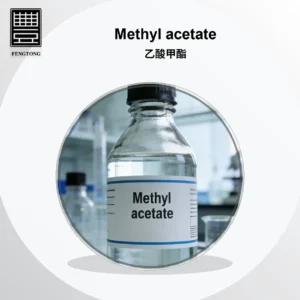 Methyl acetate乙酸甲酯CAS 79-20-9
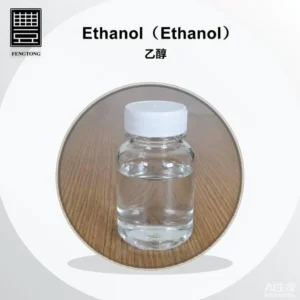 Ethyl Alcohol乙醇CAS 64-17-5
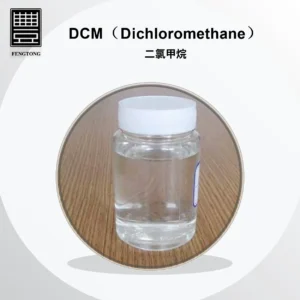 Dichloromethane (Methylene Chloride)二氯甲烷CAS 75-09-2
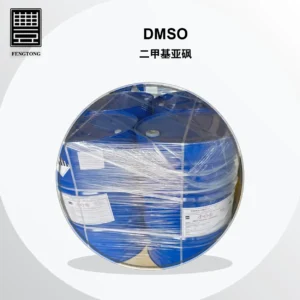 DMSO (Dimethyl sulfoxide)二甲基亚砜CAS 67-68-5
 Tetrahydrofuran (THF)四氢呋喃CAS 109-99-9
 Isopropanol (IPA)异丙醇CAS 67-63-0
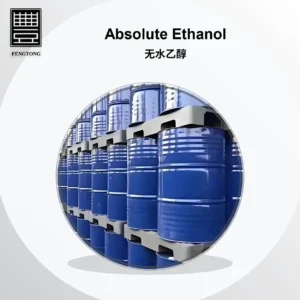 Absolute Ethanol无水乙醇CAS 64-17-5
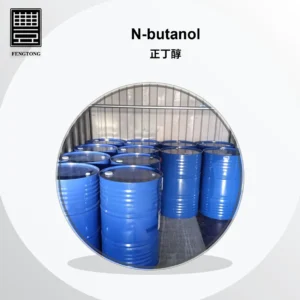 N-butanol正丁醇CAS 71-36-3
 N-hexane正己烷CAS 110-54-3
 N-Heptane正庚烷CAS 142-82-5
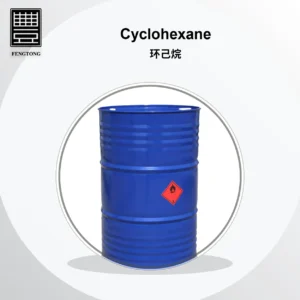 Cyclohexane环己烷CAS 110-82-7
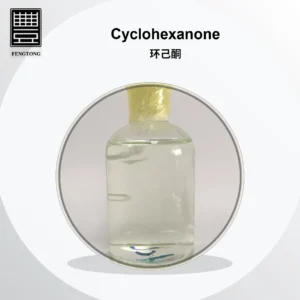 Cyclohexanone环己酮CAS 108-94-1
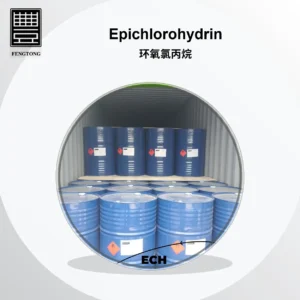 Epichlorohydrin环氧氯丙烷CAS 106-89-8
 Methacrylic acid甲基丙烯酸CAS 79-41-4
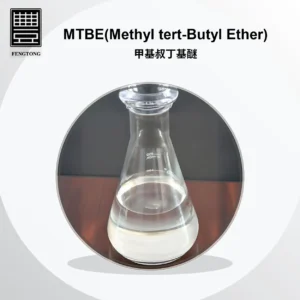 MTBE (Methyl tert-Butyl Ether)甲基叔丁基醚CAS 1634-04-4
 Formic Acid甲酸CAS 64-18-6
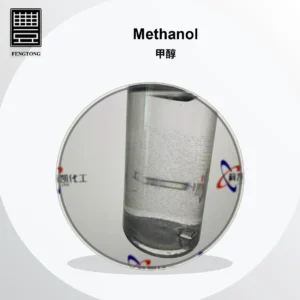 Methanol甲醇CAS 67-56-1
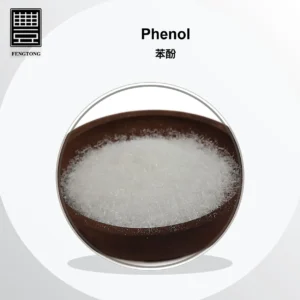 Phenol苯酚CAS 108-95-2
 DMC (Dimethyl Carbonate)碳酸二甲酯CAS 616-38-6
 Xylenes二甲苯CAS 1330-20-7
 1,1,3-Tribromoacetone1,1,3-三溴丙酮CAS 3475-39-6
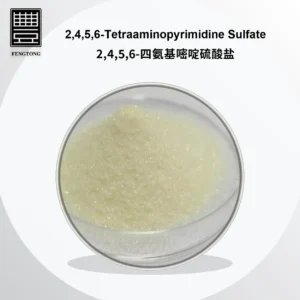 2,4,5,6-Tetraaminopyrimidine Sulfate2,4,5,6-四氨基嘧啶硫酸盐CAS 5392-28-9
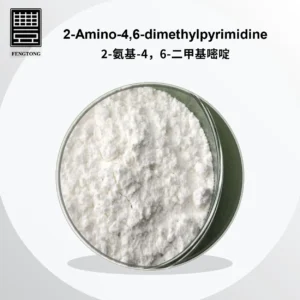 2-Amino-4,6-dimethylpyrimidine2-氨基-4,6-二甲基嘧啶CAS 767-15-7
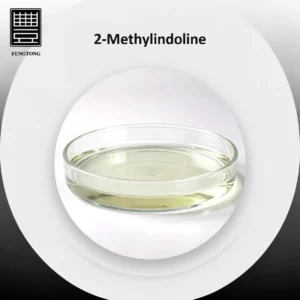 2-Methylindoline2-甲基吲哚啉CAS 6872-06-6
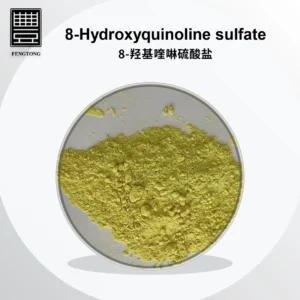 8-Hydroxyquinoline Sulfate8-羟基喹啉硫酸盐CAS 134-31-6
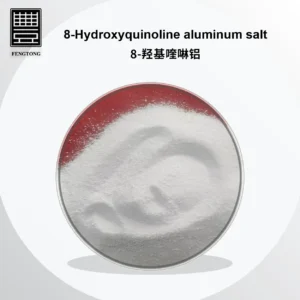 8-Hydroxyquinoline Aluminum Salt8-羟基喹啉铝CAS 2085-33-8
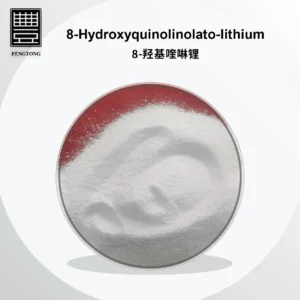 8-Hydroxyquinolinolato-lithium8-羟基喹啉锂CAS 25387-93-3
 8-Hydroxyquinoline8-羟基喹啉CAS 148-24-3
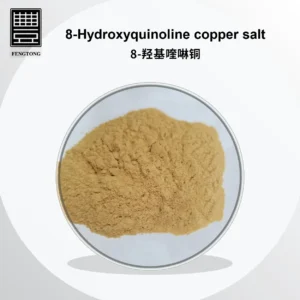 8-Hydroxyquinoline Copper Salt8-羟基喹啉铜CAS 10380-28-6
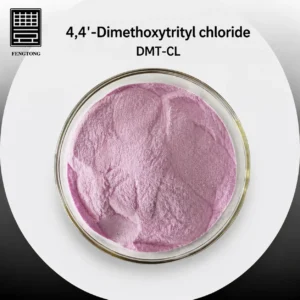 4,4'-Dimethoxytrityl Chloride (DMT-Cl)4,4'-二甲氧基三苯甲基氯CAS 40615-36-9
 N-[4-(Methylamino)benzoyl]-L-glutamic acid zinc saltL-对甲氨基苯甲酰谷氨酸锌盐CAS 66104-81-2
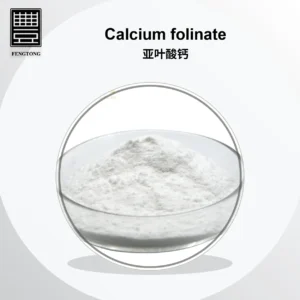 Calcium folinate亚叶酸钙CAS 1492-18-8
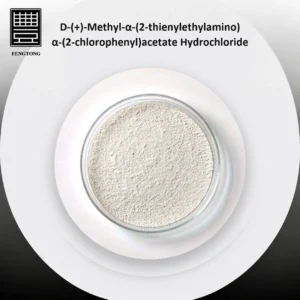 D-(+)-Methyl-alpha-(2-thienylethylamino)(2-chlorophenyl)acetate hydrochloride2-氯苯基CAS 141109-19-5
 Methotrexate甲氨蝶呤CAS 59-05-2
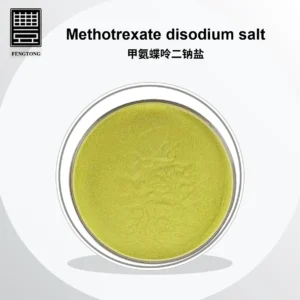 Methotrexate disodium salt甲氨蝶呤二钠盐CAS 7413-34-5
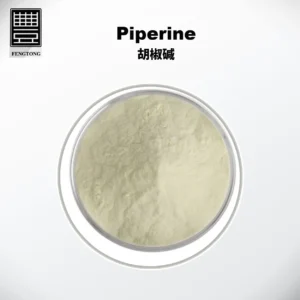 Piperine胡椒碱CAS 94-62-2
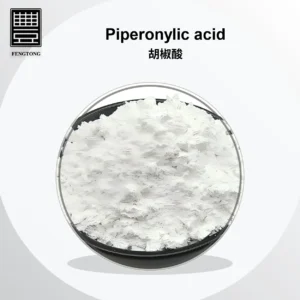 Piperonylic acid胡椒酸CAS 94-53-1
 Piperonyl alcohol胡椒醇CAS 495-76-1
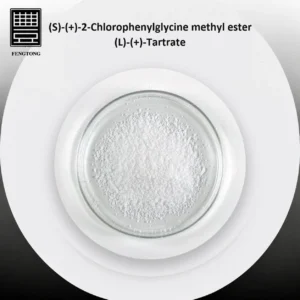 (S)-(+)-2-Chlorophenylglycine methyl ester (L)-(+)-tartrate邻氯苯甘氨酸甲酯·(L)-(+)-酒石酸盐CAS 141109-15-1
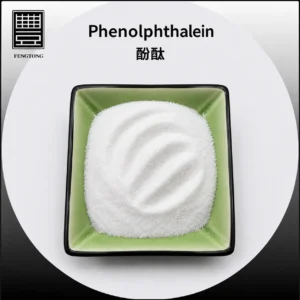 Phenolphthalein酚酞CAS 77-09-8
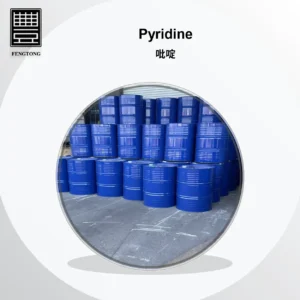 Pyridine吡啶CAS 110-86-1
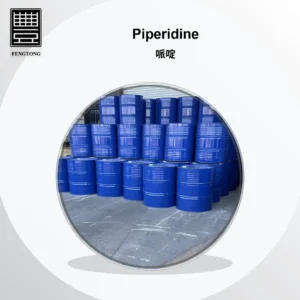 Piperidine哌啶CAS 110-89-4
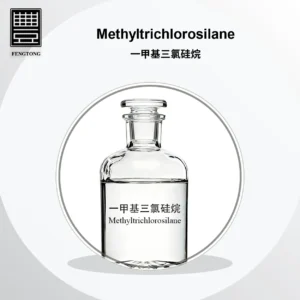 Methyltrichlorosilane一甲基三氯硅烷CAS 75-79-6
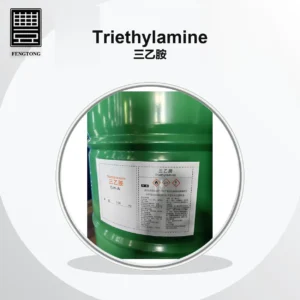 Triethylamine三乙胺CAS 121-44-8
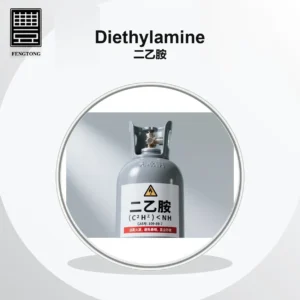 Diethylamine二乙胺CAS 109-89-7
 1,6-Bis(cyano-guanidino)hexane1,6-双氰基胍基己烷CAS 15894-70-9
 1,6-Hexanediamine dihydrochloride己二胺盐酸盐CAS 6055-52-3
 Chlorhexidine (Chlorhexidine Base)氯己定碱CAS 55-56-1
 Chlorhexidine hydrochloride盐酸氯己定CAS 3697-42-5
 Polyhexamethyleneguanidine hydrochloride - PHMG聚六亚甲基单胍盐酸盐CAS 57028-96-3
 Poly(hexamethylenebiguanide) hydrochloride - PHMB聚六亚甲基双胍盐酸盐CAS 32289-58-0
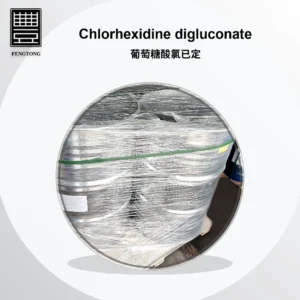 Chlorhexidine Gluconate (Chlorhexidine Digluconate)葡萄糖酸氯己定CAS 18472-51-0
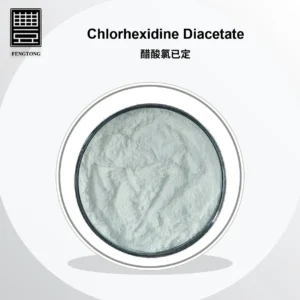 Chlorhexidine Acetate (Chlorhexidine Diacetate)醋酸氯己定CAS 56-95-1

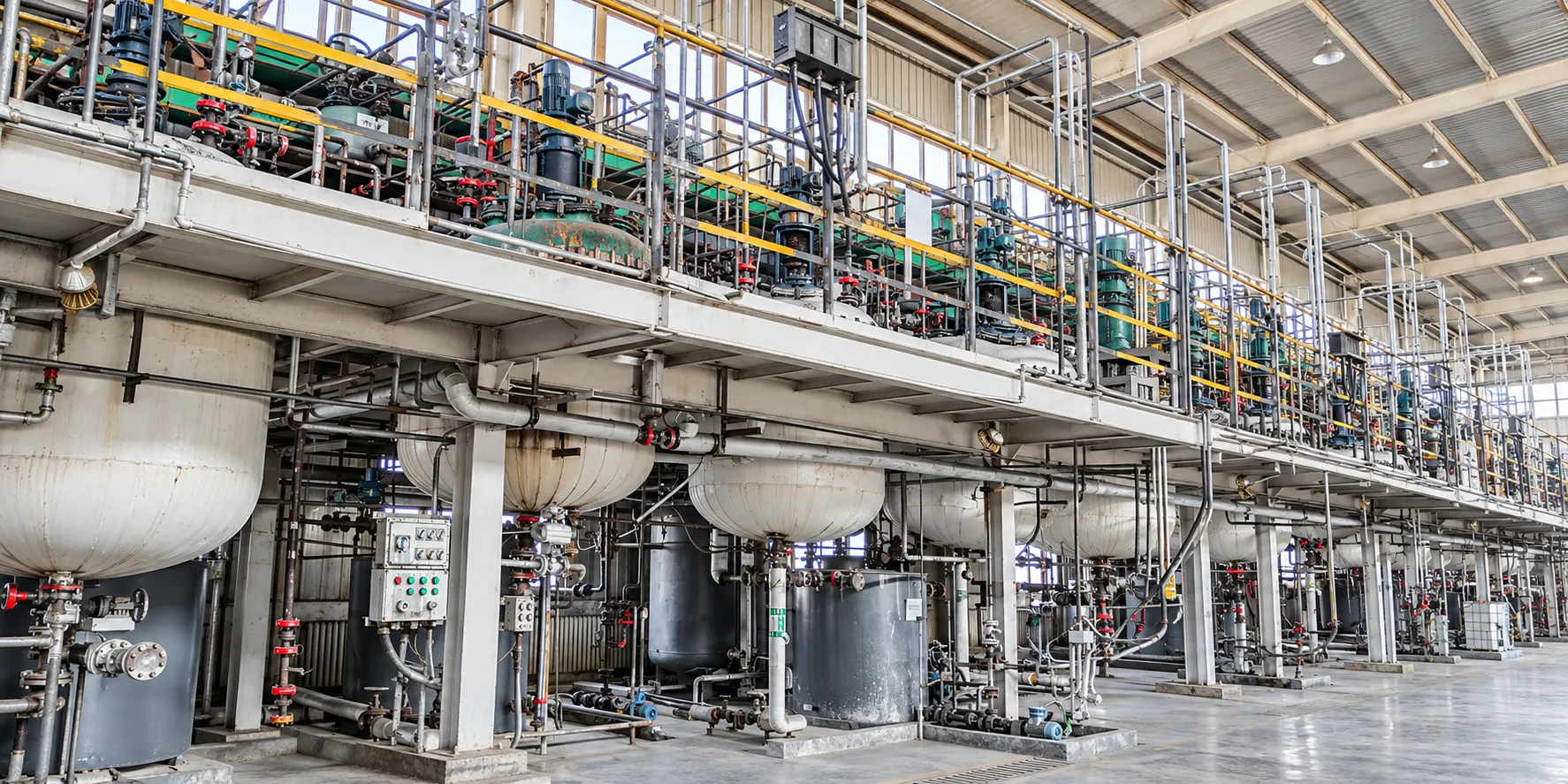
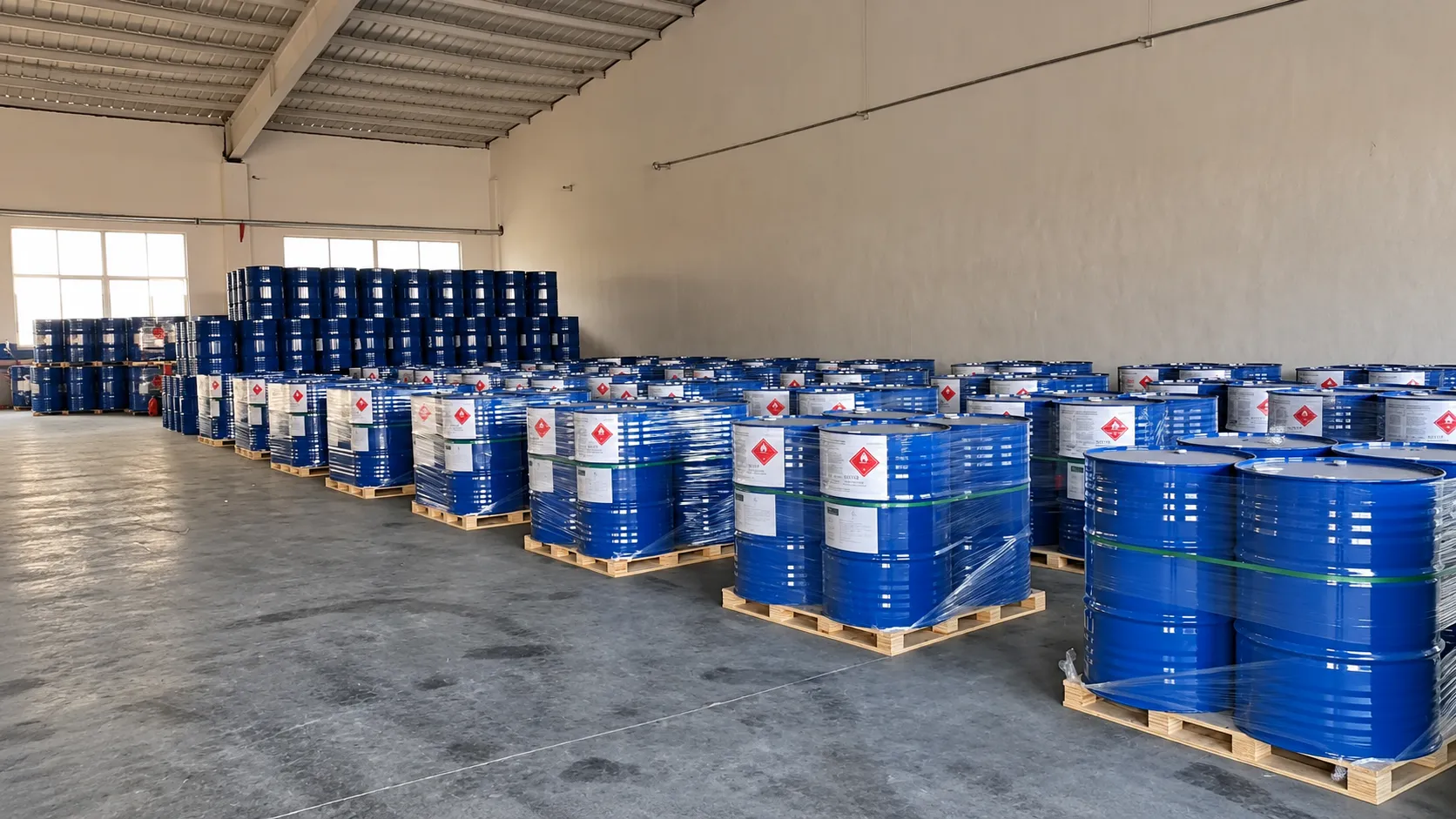
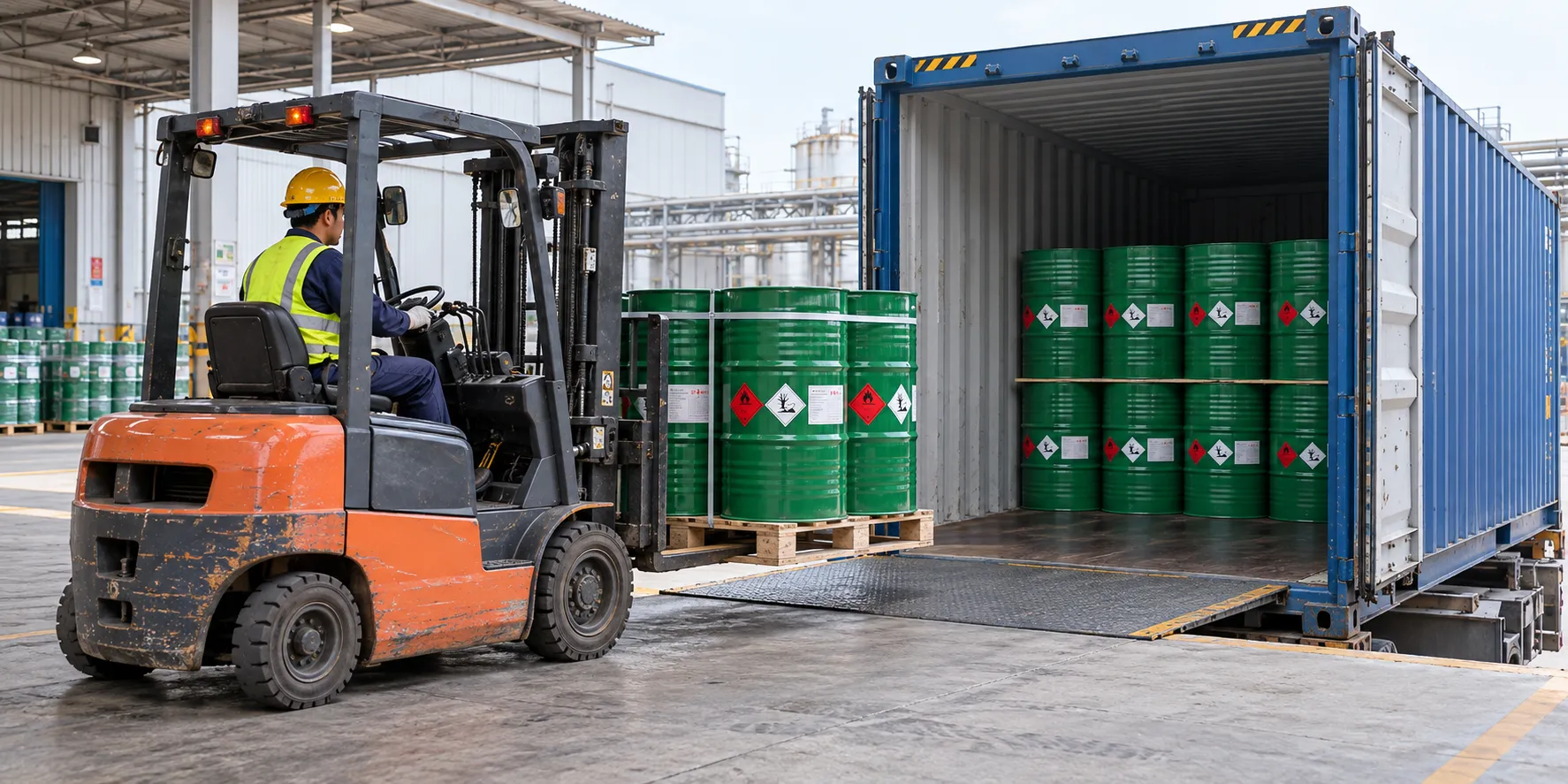
Phenolphthalein: Properties, Uses, Applications, and Buying Guide
Phenolphthalein is a well-known chemical compound widely used as an acid-base indicator in laboratories and analytical chemistry. Its distinctive color change under different pH conditions makes it a useful reagent for titration, chemical analysis, and educational experiments. For chemical distributors, laboratory suppliers, and industrial buyers, understanding the properties, applications, and purchasing considerations of phenolphthalein is important when selecting a suitable supplier. In this article, we will explore what phenolphthalein is, how it works, its main applications, and what buyers should consider when sourcing this chemical. 1. What Is Phenolphthalein? Phenolphthalein is an organic compound commonly used as a pH indicator in acid-base titration. Basic product information: Phenolphthalein is generally supplied as a white to pale yellow crystalline powder. It is practically insoluble in water but can dissolve in certain organic solvents and alkaline solutions under appropriate conditions. Its performance and suitability depend on the required grade, purity, formulation, and intended application. 2. How Does Phenolphthalein Work as a pH Indicator? One of the most important characteristics of phenolphthalein is its color response to changes in pH. In acidic and near-neutral solutions, phenolphthalein is generally colorless. When the pH increases into its transition range, the solution changes to pink or magenta. Its commonly cited pH transition range is approximately 8.2–10.0. This property makes phenolphthalein useful in acid-base titration, particularly when the endpoint falls within a suitable pH range. For example, during the titration of hydrochloric acid (HCl) with sodium hydroxide (NaOH), phenolphthalein can help indicate the endpoint through a visible color change, provided the titration conditions are appropriate. The exact endpoint suitability depends on the acid, base, concentration, and analytical method being used. 3. Main Applications of Phenolphthalein 3.1 Acid-Base Titration One of the most common applications of phenolphthalein is acid-base titration. Laboratories use it to help identify the endpoint of certain neutralization reactions. Its visible color change makes it convenient for routine analytical procedures and chemistry experiments. 3.2 Analytical Chemistry Phenolphthalein is used as an indicator in selected analytical methods where a clear visual transition is helpful. Laboratory technicians and analytical chemists should select the appropriate indicator according to the target reaction and validated testing procedure. 3.3 Educational Laboratories Schools, universities, and training laboratories use phenolphthalein in chemistry demonstrations and experiments involving acids, bases, and pH changes. Its color transition provides a straightforward way to demonstrate acid-base behavior. 3.4 Chemical Reagent Supply Phenolphthalein is also traded through chemical reagent distributors and laboratory supply companies. Buyers may require different packaging sizes and specifications depending on whether the product is intended for routine laboratory use, distribution, or a particular analytical application. The appropriate grade should always be confirmed before purchase. 4. Phenolphthalein Powder vs. Indicator Solution Phenolphthalein is available in different forms, depending on the supplier and intended use. Phenolphthalein powder Phenolphthalein indicator solution When purchasing, buyers should confirm whether they need the solid compound or a prepared indicator solution. These products have different specifications and may require different shipping and storage arrangements. 5. What Should Buyers Check Before Purchasing Phenolphthalein? Selecting a suitable supplier involves more than comparing prices. Chemical buyers should evaluate several important factors. Product Purity and Specifications Confirm the required purity, applicable testing standards, and intended grade. Request a Certificate of Analysis (COA) for the relevant batch when available. Technical Documentation Review the product specification, Safety Data Sheet (SDS), and other documentation required for your application and local regulations. Packaging Requirements Check the available packaging sizes, container compatibility, labeling, and protection against moisture or contamination during storage and transportation. Supply Capacity and Lead Time For distributors and repeat buyers, consistent availability and realistic delivery schedules are important factors in maintaining inventory. Export and Shipping Support International buyers should confirm export documentation, destination-country requirements, transport arrangements, and any applicable restrictions before placing an order. A reliable sourcing process helps reduce purchasing risks and supports long-term cooperation between buyers and suppliers. 6. How to Store and Handle Phenolphthalein Phenolphthalein should be handled according to the instructions in the supplier’s Safety Data Sheet. General precautions include: Phenolphthalein has been classified as a potential health hazard in certain regulatory frameworks. It should not be assumed to be harmless simply because it is commonly used in laboratory experiments. Always review the current safety documentation and applicable local regulations before use or purchase. 7. Frequently Asked Questions About Phenolphthalein Q1: What is the CAS number of phenolphthalein? The CAS number of phenolphthalein is 77-09-8. Q2: What color is phenolphthalein in an alkaline solution? Phenolphthalein generally turns pink to magenta in alkaline solutions within its pH transition range. Q3: What is the pH range of phenolphthalein? Its commonly cited transition range is approximately pH 8.2–10.0. Q4: Is phenolphthalein soluble in water? Phenolphthalein is practically insoluble in water. Its solubility depends on the solvent and solution conditions. Q5: What documents should I request when purchasing phenolphthalein? Depending on the application and destination, buyers may request a COA, SDS, product specification, and relevant shipping or regulatory documents. Q6: How can I choose a suitable phenolphthalein supplier? Compare product specifications, documentation, packaging options, supply reliability, export experience, and total delivered cost. Confirm that the supplier can meet your specific quality and regulatory requirements. 8. Looking for a Phenolphthalein Supplier? Choosing the right chemical supplier can help distributors and laboratory buyers maintain consistent product quality and a reliable supply chain. When sourcing phenolphthalein, clearly define your required grade, quantity, packaging, destination, and documentation requirements. This information helps suppliers provide a more accurate quotation and determine whether they can meet your purchasing needs. At Shandong Fengtong Chemical Co., Ltd., we focus on supplying chemical products to international markets. If you are sourcing phenolphthalein or other chemical raw materials, you can contact our team to discuss product availability, specifications, packaging, and export requirements. Contact us for product information and a quotation: Contact us with your required quantity, destination country, and product specifications so we can better understand your sourcing needs.
Read More ↗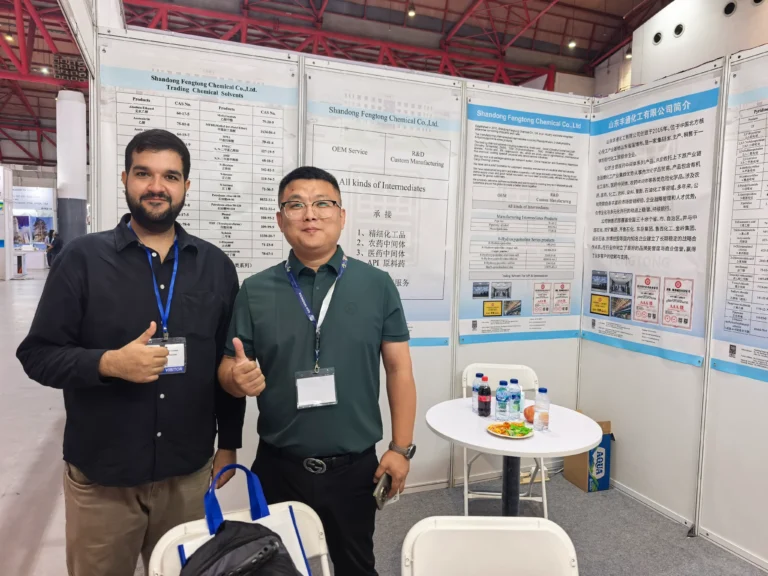
What to look at in the fifteen minutes you have before the hall closes.
Trade show halls are designed to look alike: a banner, a counter, a row of labelled bottles, a stack of brochures. An hour into walking the floor, most stands blur into one. The differences that matter to a buyer are rarely visible from the aisle. They sit in the paperwork, the packing and the person — three places worth spending your fifteen minutes. What follows is a short list of what to check, and what a good answer looks like. 01. Whose name is on the licence Ask to see the hazardous-goods packing licence and the inspection and quarantine registration. These are the documents that decide whether your container moves or sits. The detail worth reading is the name on them. A supplier that holds these licences in its own name can pack, label and declare dangerous goods itself. A supplier that holds them through a partner is handing your cargo to a third party whose standards you have not assessed — and whose delays become your delays. Good sign: the certificates are produced without hesitation, in the company’s own name. Warning sign: “our forwarder handles that.” 02. The document folder, not the brochure Anyone can print a brochure. Ask instead to see a real certificate of analysis from a recent batch, and a safety data sheet in the format your market requires. What you are checking is not perfection but habit — whether the supplier treats paperwork as part of the product or as an afterthought. Look at whether the COA is batch-specific or a generic template, whether the SDS follows GHS structure, and whether a certificate of origin is something they raise before you do. Good sign: a current COA and SDS, offered as a matter of course. Warning sign: documents “available later, once you place the order.” 03. A packing sample you can handle Photographs of drums tell you very little. If the stand has a 200 L drum, a 1,000 L IBC or ISO tank fittings on display, pick them up, read the labelling, look at the closures. Packing is where complaints originate — a liner that reacts, a label that will not survive a humid port, a closure that weeps in transit. A supplier that repacks in its own warehouse can adjust these details on request. One that forwards someone else’s drums usually cannot. Good sign: packing samples on the stand, and a supplier able to discuss liner and label specifications. Warning sign: “standard export packing” as the only answer available. 04. Whether the person knows the chemistry Specification tables are easy to copy. Understanding is not. Ask something a datasheet cannot answer: how this grade behaves in a customer’s process, which impurities are typical, why one salt would be chosen over another. You are not looking for a laboratory answer — you are checking whether the person in front of you has handled the product, or only the price list. Good sign: the answer contains a reaction, a constraint or a trade-off. Warning sign: every question comes back to “we can meet any specification.” 05. How they answer a question they do not like This is the most useful test, and the quickest to run. Ask about delay: what happens when a container is held at customs, when a batch misses specification, when a promised date slips. Every supplier will tell you it does not happen. The informative part is what follows. A supplier with a real operation can describe the sequence — who is notified, how quickly, and what the alternatives are. A supplier without one changes the subject. Good sign: a specific process, described in stages rather than assurances. Warning sign: “that never happens.” What the five have in common None of these checks requires the supplier to be the largest in the hall. All five require the supplier to be specific — about paperwork, packing, chemistry and failure. Specificity is difficult to fake across a counter, which is precisely why it is worth fifteen minutes. For our part, here is what you would find at the Fengtong stand: a Hazardous Cargo Packing Licence and China Inspection and Quarantine registration held in our own name; our own repackaging warehouse and transport system; a COA, SDS and certificate of origin with every shipment; and specifications agreed in writing before production begins. If you would like to run these five checks against us — at our next exhibition, or by email — the team can be reached at johnson@fengtongchemical.com or +86 18405339555.
Read More ↗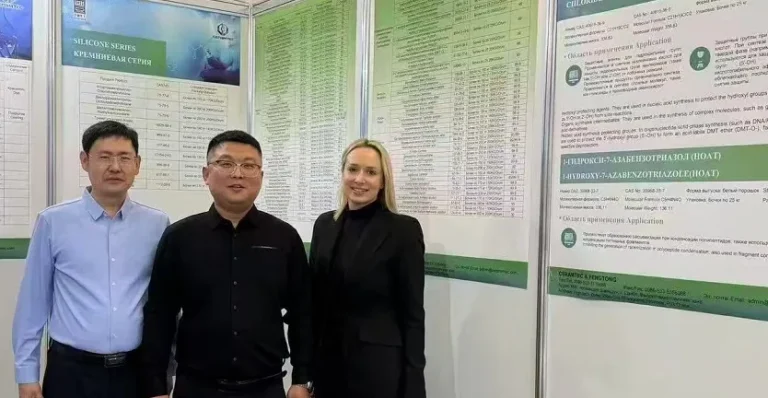
Notes from Booth B2F4-17: What Chemical Buyers Asked at the China Pavilion
Every exhibition leaves you with a stack of business cards and, if it has gone well, three or four conversations that change how you think about your own product range. Our week at [Fair name] under the China Pavilion — booth B2F4-17 — gave us several of those. What follows is what we put on the stand, the questions that came up most often, and how we are answering them. What we brought The stand carried two product lines that buyers did not expect to find in the same place. On the intermediates side: phenolphthalein, the 8-hydroxyquinoline series in its sulfate, copper salt, aluminium salt and lithium salt grades, 2-methylindoline, and the piperonyl series. On the solvent side: acetonitrile, DMSO, DMF, DMAC, dichloromethane, ethyl acetate, IPA and more than thirty grades in total. Alongside the samples we laid out the things buyers actually inspect — 200 L drums, a 1,000 L IBC, ISO tank documentation, and a folder of COAs, SDS and certificates of origin. At an exhibition, the paperwork is part of the product. The three questions we heard most 1. Can you hold the specification, batch after batch? This was the first question from almost every technical buyer, and the right one to ask. A grade that drifts by a fraction of a percent between shipments will show up in a customer’s yield long before it shows up in a complaint. Our answer is procedural rather than rhetorical. The specification, packing and documentation are agreed in writing before production begins; a batch-specific COA ships with every consignment; and retention samples are kept on file, so a question raised six months after delivery can still be answered against the actual material. 2. Who handles the dangerous-goods paperwork? For anyone importing solvents, this is where schedules actually break — not in production, but in the documentation that has to be correct at the port. Fengtong holds a Hazardous Cargo Packing Licence and China Inspection and Quarantine registration in its own name, and operates its own repackaging warehouse and transport system. Dangerous-goods packing, labelling and declarations are handled in-house rather than passed down a chain of forwarders. More than one buyer at the stand described the same experience: a container held for two weeks because a declaration had been filed by a party that had never seen the material. 3. Can you consolidate my list? Buyers who source intermediates and solvents separately end up managing two sets of suppliers, two document sets and two shipping schedules. The question at the stand was whether those could be merged. In most cases they can. With more than thirty solvent grades held in stock and four intermediate families supplied alongside them, a mixed order can travel as one shipment under one quotation and one document set — including mixed loading of intermediates and solvents in the same container where dangerous-goods segregation rules permit. Why we still do face-to-face A specification sheet will tell you a purity figure. It will not tell you whether the supplier understands the reaction behind it, how they respond when something goes wrong, or what happens when a shipment is held at customs. Two conversations at the stand made that point for us. One buyer arrived with a grade that had not dissolved properly in their process; working through the impurity profile and the solvent system on paper settled the question in twenty minutes — a week of email, compressed. Another needed a specific labelling format for their import market, and we could confirm on the spot what we were able to do rather than quote a policy. That is the part of an exhibition that never appears in the lead count. What happens next None of the conversations required a new capability. They required us to state clearly what we already do, and to commit to it in writing: If you stopped by booth B2F4-17, or if the questions above are the ones currently on your desk, the team can be reached at johnson@fengtongchemical.com or +86 18405339555. We are glad to quote a grade, a pack size or a full list.
Read More ↗