Home
 DMAC (N, N-Dimethylacetamide)N,N-二甲基乙酰胺CAS 127-19-5
 DMF (N,N-Dimethylformamide)N,N-二甲基甲酰胺CAS 68-12-2
 Acetonitrile乙腈CAS 75-05-8
 Acetic acid乙酸CAS 64-19-7
 Ethyl Acetate乙酸乙酯CAS 141-78-6
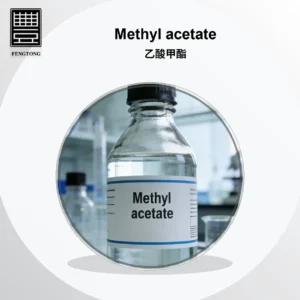 Methyl acetate乙酸甲酯CAS 79-20-9
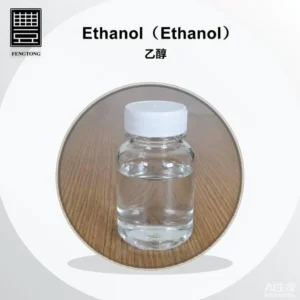 Ethyl Alcohol乙醇CAS 64-17-5
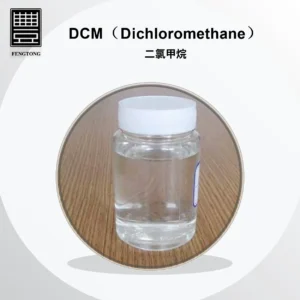 Dichloromethane (Methylene Chloride)二氯甲烷CAS 75-09-2
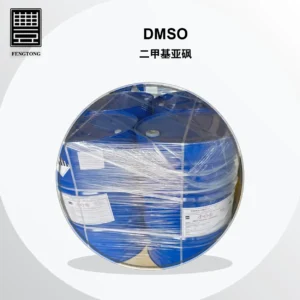 DMSO (Dimethyl sulfoxide)二甲基亚砜CAS 67-68-5
 Tetrahydrofuran (THF)四氢呋喃CAS 109-99-9
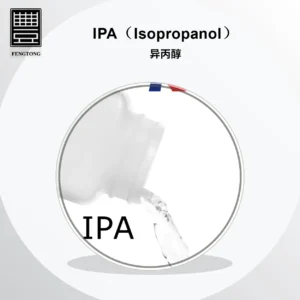 Isopropanol (IPA)异丙醇CAS 67-63-0
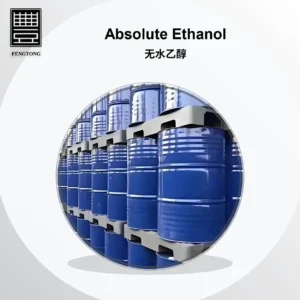 Absolute Ethanol无水乙醇CAS 64-17-5
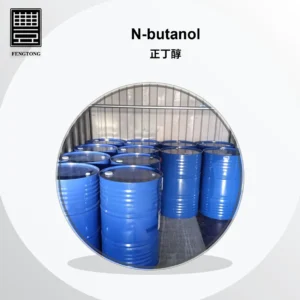 N-butanol正丁醇CAS 71-36-3
 N-hexane正己烷CAS 110-54-3
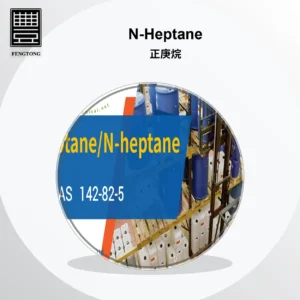 N-Heptane正庚烷CAS 142-82-5
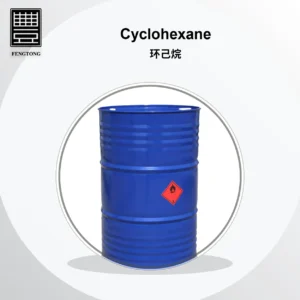 Cyclohexane环己烷CAS 110-82-7
 Cyclohexanone环己酮CAS 108-94-1
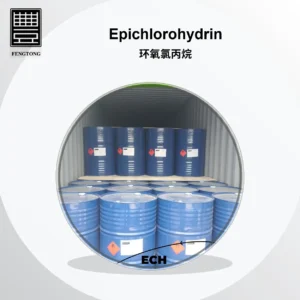 Epichlorohydrin环氧氯丙烷CAS 106-89-8
 Methacrylic acid甲基丙烯酸CAS 79-41-4
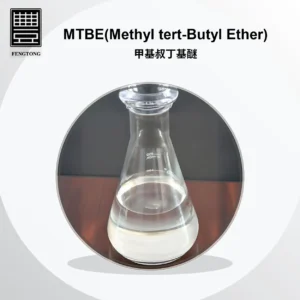 MTBE (Methyl tert-Butyl Ether)甲基叔丁基醚CAS 1634-04-4
 Formic Acid甲酸CAS 64-18-6
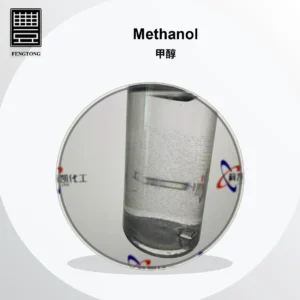 Methanol甲醇CAS 67-56-1
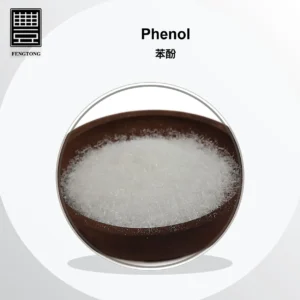 Phenol苯酚CAS 108-95-2
 DMC (Dimethyl Carbonate)碳酸二甲酯CAS 616-38-6
 Xylenes二甲苯CAS 1330-20-7
 1,1,3-Tribromoacetone1,1,3-三溴丙酮CAS 3475-39-6
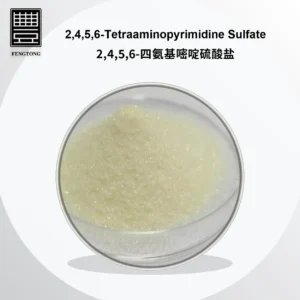 2,4,5,6-Tetraaminopyrimidine Sulfate2,4,5,6-四氨基嘧啶硫酸盐CAS 5392-28-9
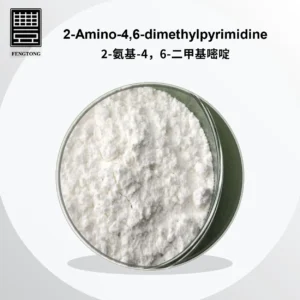 2-Amino-4,6-dimethylpyrimidine2-氨基-4,6-二甲基嘧啶CAS 767-15-7
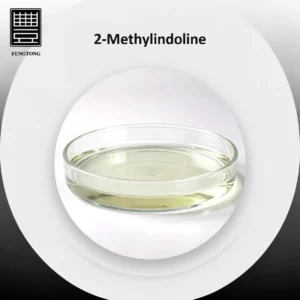 2-Methylindoline2-甲基吲哚啉CAS 6872-06-6
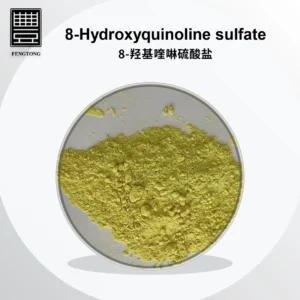 8-Hydroxyquinoline Sulfate8-羟基喹啉硫酸盐CAS 134-31-6
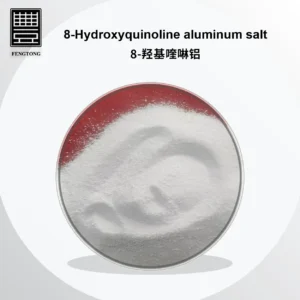 8-Hydroxyquinoline Aluminum Salt8-羟基喹啉铝CAS 2085-33-8
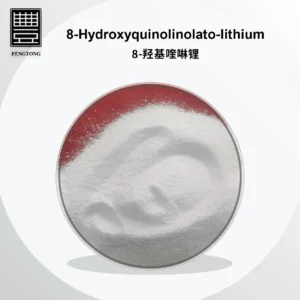 8-Hydroxyquinolinolato-lithium8-羟基喹啉锂CAS 25387-93-3
 8-Hydroxyquinoline8-羟基喹啉CAS 148-24-3
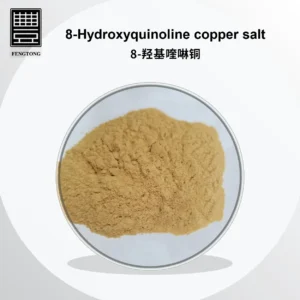 8-Hydroxyquinoline Copper Salt8-羟基喹啉铜CAS 10380-28-6
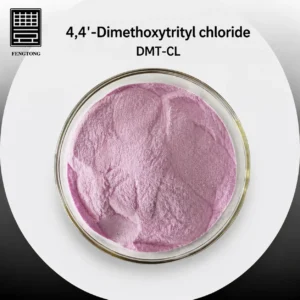 4,4'-Dimethoxytrityl Chloride (DMT-Cl)4,4'-二甲氧基三苯甲基氯CAS 40615-36-9
 N-[4-(Methylamino)benzoyl]-L-glutamic acid zinc saltL-对甲氨基苯甲酰谷氨酸锌盐CAS 66104-81-2
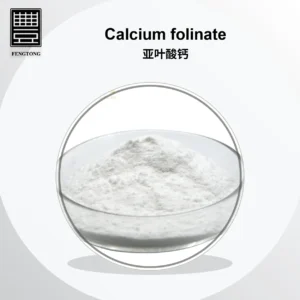 Calcium folinate亚叶酸钙CAS 1492-18-8
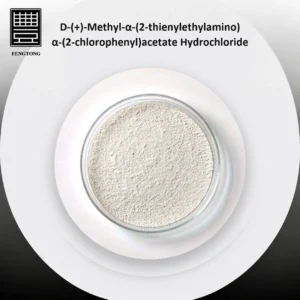 D-(+)-Methyl-alpha-(2-thienylethylamino)(2-chlorophenyl)acetate hydrochloride2-氯苯基CAS 141109-19-5
 Methotrexate甲氨蝶呤CAS 59-05-2
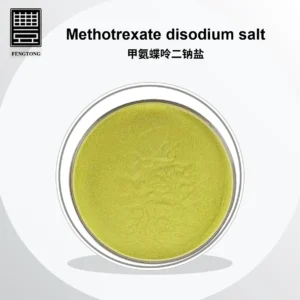 Methotrexate disodium salt甲氨蝶呤二钠盐CAS 7413-34-5
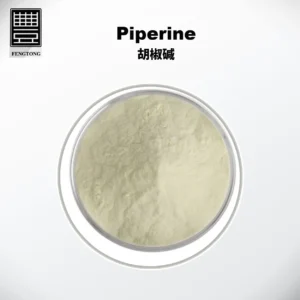 Piperine胡椒碱CAS 94-62-2
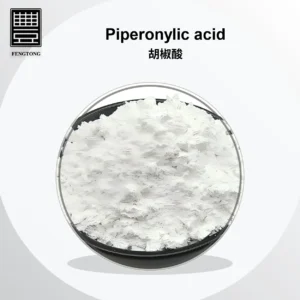 Piperonylic acid胡椒酸CAS 94-53-1
 Piperonyl alcohol胡椒醇CAS 495-76-1
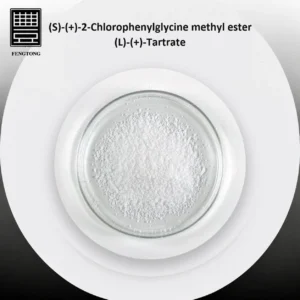 (S)-(+)-2-Chlorophenylglycine methyl ester (L)-(+)-tartrate邻氯苯甘氨酸甲酯·(L)-(+)-酒石酸盐CAS 141109-15-1
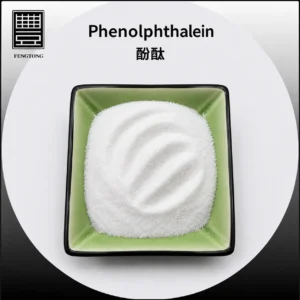 Phenolphthalein酚酞CAS 77-09-8
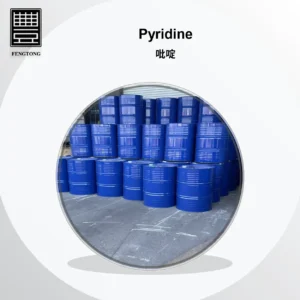 Pyridine吡啶CAS 110-86-1
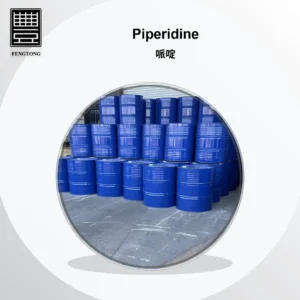 Piperidine哌啶CAS 110-89-4
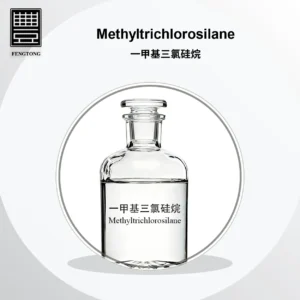 Methyltrichlorosilane一甲基三氯硅烷CAS 75-79-6
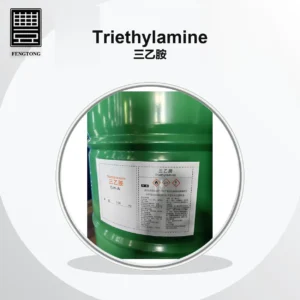 Triethylamine三乙胺CAS 121-44-8
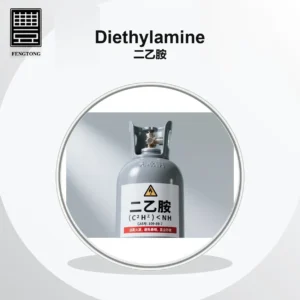 Diethylamine二乙胺CAS 109-89-7
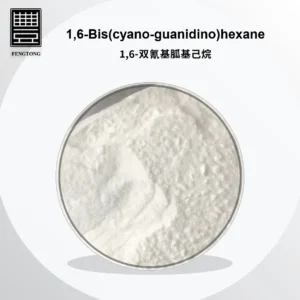 1,6-Bis(cyano-guanidino)hexane1,6-双氰基胍基己烷CAS 15894-70-9
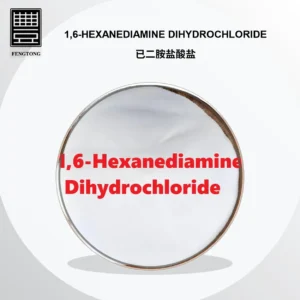 1,6-Hexanediamine dihydrochloride己二胺盐酸盐CAS 6055-52-3
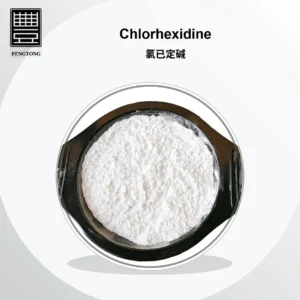 Chlorhexidine (Chlorhexidine Base)氯己定碱CAS 55-56-1
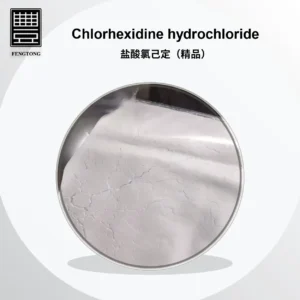 Chlorhexidine hydrochloride盐酸氯己定CAS 3697-42-5
 Polyhexamethyleneguanidine hydrochloride - PHMG聚六亚甲基单胍盐酸盐CAS 57028-96-3
 Poly(hexamethylenebiguanide) hydrochloride - PHMB聚六亚甲基双胍盐酸盐CAS 32289-58-0
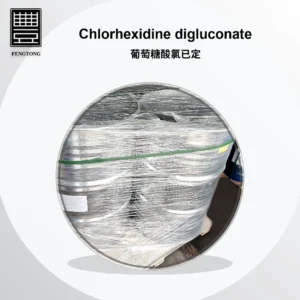 Chlorhexidine Gluconate (Chlorhexidine Digluconate)葡萄糖酸氯己定CAS 18472-51-0
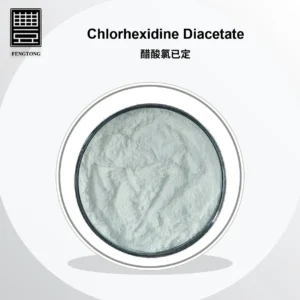 Chlorhexidine Acetate (Chlorhexidine Diacetate)醋酸氯己定CAS 56-95-1

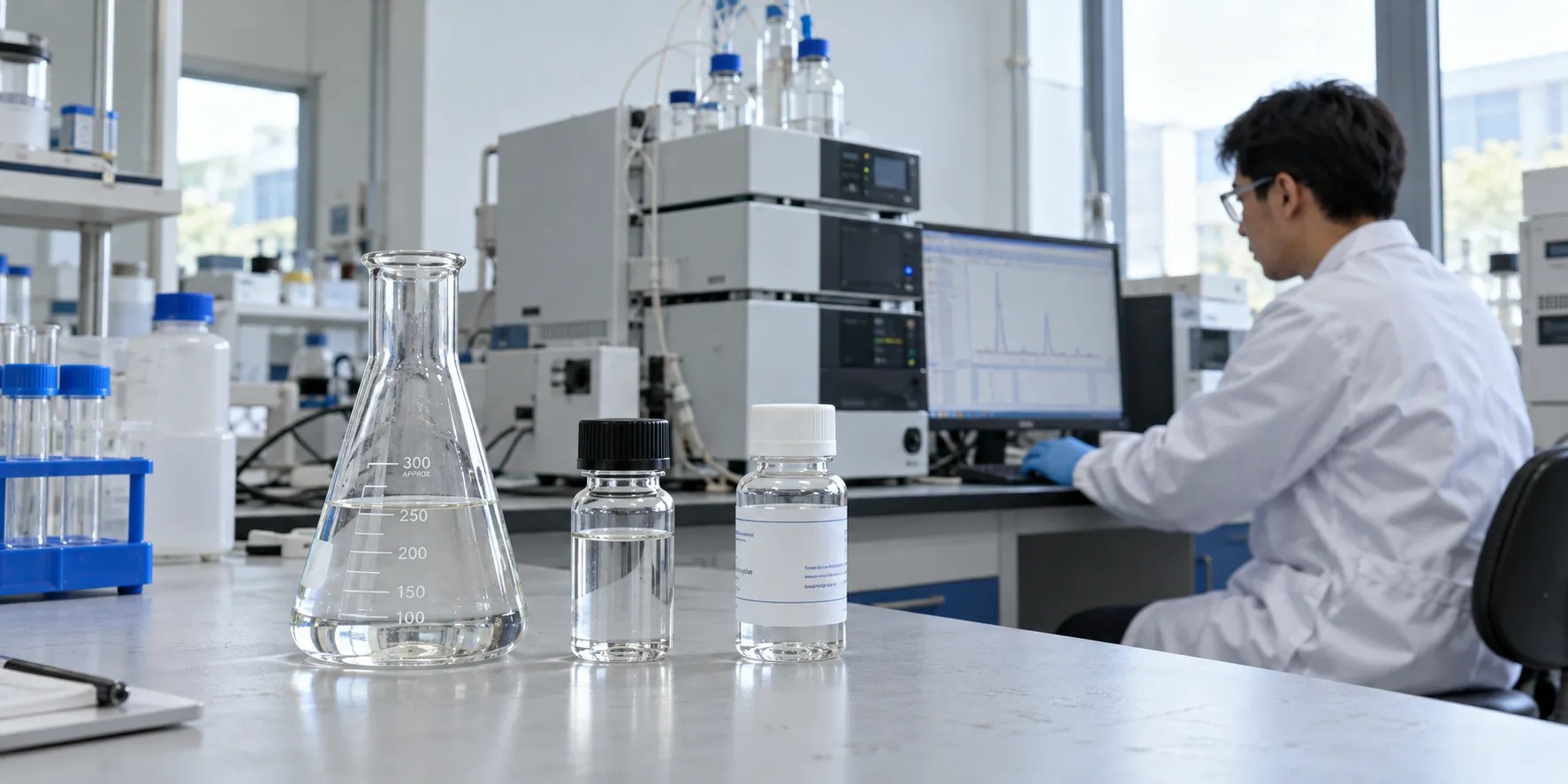
8-Hydroxyquinoline: Uses, Specs and a Buyer’s Checklist
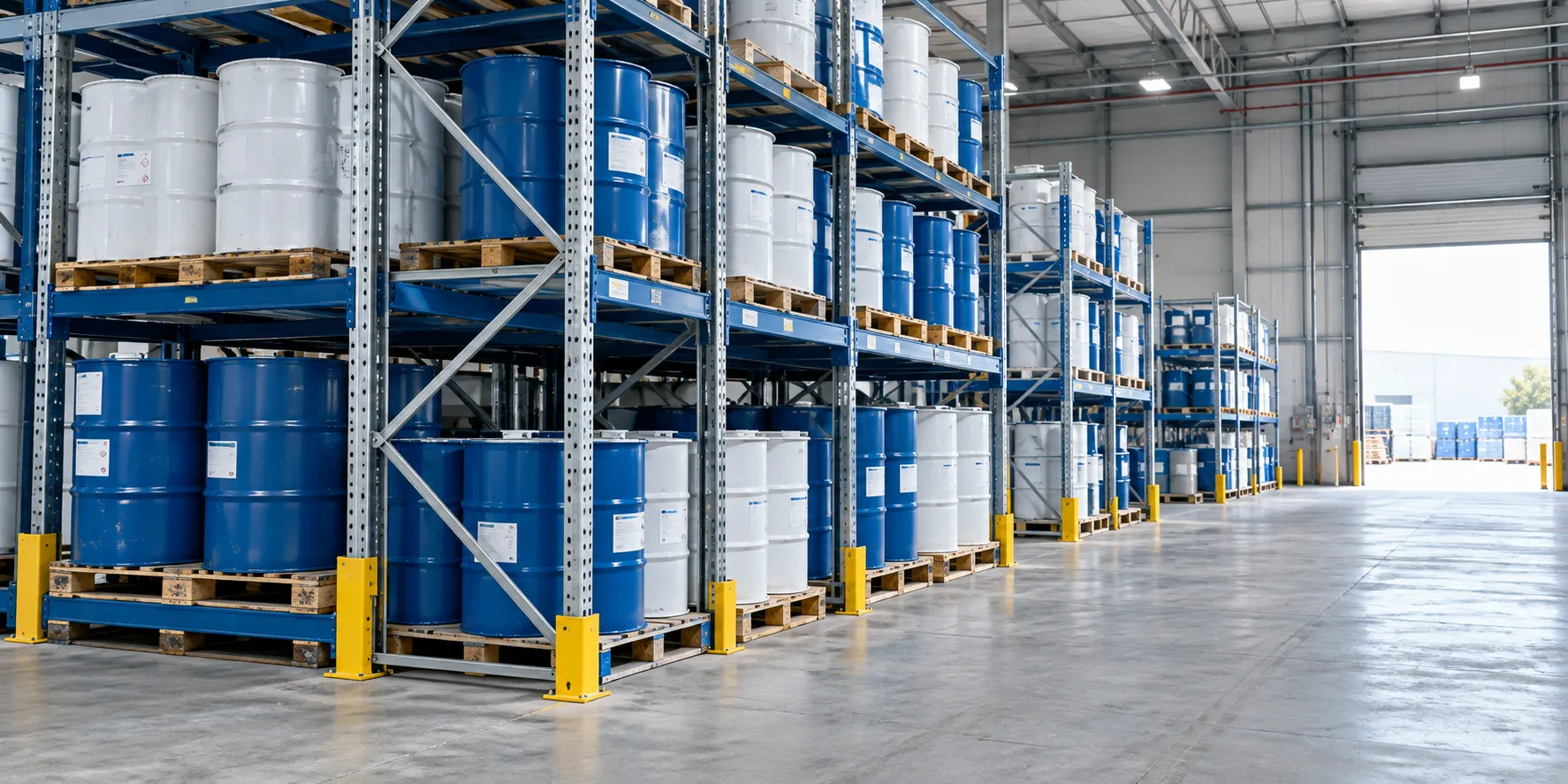
8-Hydroxyquinoline: Uses, Specs and a Buyer’s Checklist When sourcing 8-Hydroxyquinoline from China, product specifications, purity, batch documentation, packaging, transportation requirements, and supplier reliability all affect a successful purchase. Whether you are a pharmaceutical intermediate distributor, agrochemical buyer, or specialty chemical importer, understanding these factors helps you make informed purchasing decisions. This guide covers the main applications of 8-Hydroxyquinoline, the specifications to review, the factors affecting its price, export documentation, and how to evaluate a Chinese chemical supplier. What Is 8-Hydroxyquinoline? 8-Hydroxyquinoline, also known as 8-quinolinol, quinolin-8-ol, or oxine, is an organic compound with CAS number 148-24-3. Its molecular formula is C9H7NO, and its molecular weight is approximately 145.16 g/mol. The compound is generally supplied as a white to pale-yellow crystalline powder. Its melting point is typically reported at around 73–76°C. It has limited solubility in water and dissolves more readily in several organic solvents, including ethanol and acetone. Two properties account for much of its industrial value: antimicrobial activity and the ability to form complexes with certain metal ions. These characteristics support its use in analytical chemistry and as a starting material for related chemical compounds. The required grade depends on the application. Buyers should distinguish the chemical identity from the specification of the offered product, including assay, impurity limits, and test methods.You can verify the compound identity and properties on PubChem Main Applications of 8-Hydroxyquinoline Pharmaceutical and antiseptic intermediates For example, industry builds several established antiseptic and antibacterial actives from 8-Hydroxyquinoline, including clioquinol, chlorquinaldol and nitroxoline. Consequently, buyers in this segment run tighter impurity and residual-solvent limits than buyers in other industries, and they usually validate a supplier against two or three consecutive batches before approving it. So if your end product is a registered pharmaceutical, ask for the impurity profile and not just the assay figure. Agrochemical and fungicide formulations In crop protection and horticulture, formulators use the sulfate and citrate salts as fungicides and bactericides. By contrast, buyers in this segment care more about assay consistency between batches than about trace-metal limits, because a drifting assay changes the active dose in the finished formulation. Therefore, order either the free compound or the salt by its exact chemical name, since the two never substitute for each other. Metal chelation and analytical chemistry 8-Hydroxyquinoline forms stable complexes with many metal ions, which makes it useful for extraction, separation and quantitative determination. Industrial users apply the same chemistry for selective metal capture and recovery. For this reason, trace impurity levels often matter more than the headline assay, so agree on the specific metals you need controlled before you place an order. Materials science and OLED Manufacturers also derive tris(8-hydroxyquinoline)aluminum, known as Alq3, from this molecule, and OLED developers use it as an electron-transport and emitting material. Alq3 remains a different product with different specifications. As a result, buyers in this segment need sublimation-grade material, where metal residues and organic impurities stay far below industrial levels. Preservatives and corrosion inhibition Smaller volumes go into preservative systems for industrial products and into corrosion-inhibitor packages for metalworking fluids and coatings. Requirements vary widely here, so confirm the derivative, the concentration and the regulatory status in your market before choosing a grade. Specifications to Check Before You Buy First, ask for a batch-specific COA with the quotation, not after. Then compare the values against the reference range below; these are typical figures for technical and pharmaceutical-intermediate grade, not a guarantee for any specific supplier. Item Example reference specification Common test method Appearance White to pale yellow crystalline powder Visual inspection Assay (purity) ≥ 99.0 % HPLC or validated titration Melting point 73–76 °C Capillary method Loss on drying ≤ 0.5 % Oven drying or Karl Fischer Residue on ignition ≤ 0.1 % Ignition method Heavy metals (as Pb) ≤ 10 ppm Colorimetric method or ICP Which grade are you actually buying? In addition, suppliers quote three grades under the same chemical name, and the price gap between them is large. Make sure the offer states which one you get. Grade Typical use What changes Technical grade Industrial chelation, preservatives, corrosion inhibition Assay from about 98 %, wider colour range accepted Pharmaceutical-intermediate grade Active-ingredient synthesis Tighter impurity and residual-solvent limits, full COA per batch Sublimation grade OLED and electronic materials Purity 99.9 % and above, strict metal-residue control Moreover, if you are unsure how to read the documents that accompany a shipment, our guide to COA and SDS for chemical imports explains what each certificate should contain. How Manufacturers Produce 8-Hydroxyquinoline Knowing the route helps you read a COA. Today, most Chinese capacity builds 8-Hydroxyquinoline from 2-aminophenol through the Skraup synthesis, followed by cyclisation and purification. Alternatively, some producers start from quinoline-8-sulfonic acid and proceed by alkali fusion. Both routes give the same molecule, yet they leave different trace impurities behind, and that difference is exactly what a pharmaceutical buyer pays for. Purification separates the grades. Producers distil or recrystallise technical material once. Pharmaceutical-intermediate grade then goes through additional recrystallisation with tighter in-process controls and fuller analytical release. Finally, producers purify sublimation grade under reduced pressure and handle it in a clean environment; consequently, equipment cost, yield loss and final price all rise sharply. So ask which route and which purification step produced the offered 8-Hydroxyquinoline. A supplier who cannot answer is reselling, and a reseller cannot control the impurity profile you approve. Storage, Handling and Shelf Life In addition, 8-Hydroxyquinoline discolours on prolonged exposure to light and air, and the colour shift is the first visible sign of oxidation. Store drums sealed in a cool, dry, ventilated area away from direct sunlight, and keep the material separated from strong oxidizers, acids and foodstuffs. Once you open a drum, reseal it promptly and use the contents within a defined period rather than leaving it open on a warehouse floor. Suppliers normally quote a two-year shelf life from the date of manufacture for material in sealed original packaging, and they state the retest date on the COA. If you hold stock beyond that date, request […]
Read More ↗COA and SDS for Chemical Imports: What Buyers Need to Know
Two documents decide whether a chemical shipment clears customs and passes quality review: the COA and SDS. Here is how to read them, verify them, and request them from a Chinese supplier.
Read More ↗
How to Choose a Reliable Chemical Supplier in China: A Guide for Southeast Asian Buyers
A practical guide for Southeast Asian buyers on choosing a reliable chemical supplier in China: supplier types, COA and SDS documentation, factory qualifications, packaging, Incoterms, and long-term supply stability.
Read More ↗